7 señales de alerta de estafas fiscales que se te están pasando (y cómo protegerte) / 7 Tax Scam Red Flags You're Missing Right Now
- Sofy tax

- 1 day ago
- 8 min read
English Version
Tax season is here, and so are the scammers. You know the obvious ones—those poorly written emails from "Prince IRS" promising millions. But what about the sophisticated scams that look almost identical to legitimate IRS communications?
Here's the thing: tax scammers in 2026 are getting smarter, and some of their tactics are so convincing that even careful taxpayers are falling for them. Are you sure you'd spot every red flag?
Let's walk through the seven warning signs you might be missing right now—and more importantly, how to protect yourself and your hard-earned money.
Red Flag #1: They're Pressuring You to Act "Right Now"
Did you receive a call, text, or email demanding immediate action on your tax situation? That urgent tone is a classic scam tactic.
Here's what's happening: Scammers create artificial urgency to bypass your better judgment. They want you to panic and act before you have time to verify the information. Real tax agencies don't operate this way. The IRS sends written notices through regular mail first, and they give you plenty of time to respond.
What to do: Take a breath. If it's truly urgent, the IRS will send official documentation. Never make financial decisions based on unsolicited calls or texts alone.
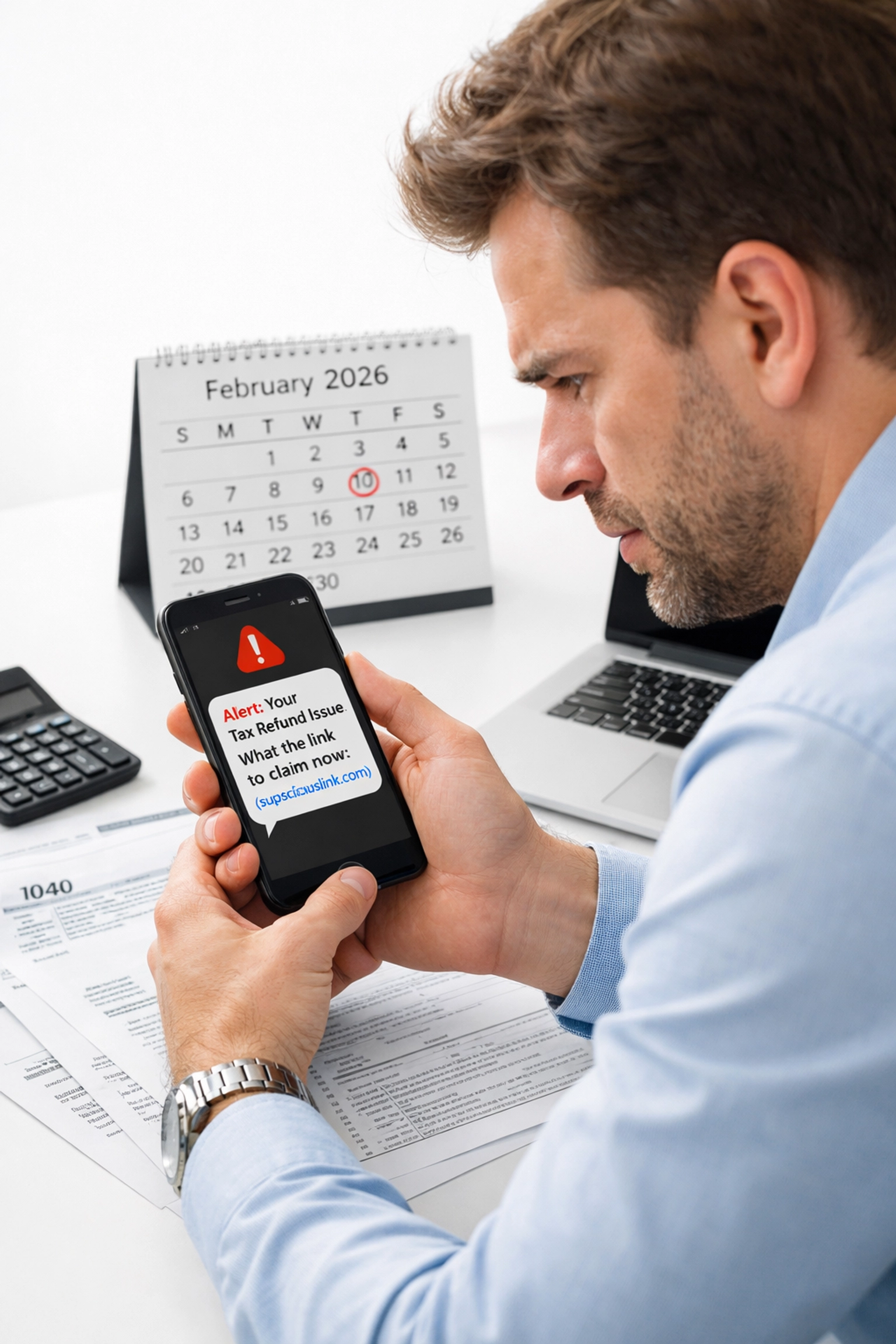
Red Flag #2: They're Asking for Personal Information Over the Phone or Email
Got a message asking for your Social Security number, bank account details, or login credentials? That's your cue to hang up or delete immediately.
The IRS and legitimate tax agencies will never—and I mean never—request sensitive personal information through email, text messages, or unsolicited phone calls. They already have your information on file if you've filed taxes before.
What to do: Don't share anything. If you're concerned the contact might be legitimate, hang up and call the IRS directly using the number from their official website (irs.gov). Don't use any number provided in the suspicious message.
Red Flag #3: They're Threatening Arrest or Criminal Charges
"Pay now or the police will arrest you within the hour." Sound familiar? This scare tactic is pure fraud.
The IRS doesn't threaten immediate arrest over unpaid taxes. There's a long legal process involving multiple written notices before any legal action happens. If someone is using fear and intimidation to demand payment, you're dealing with a scammer.
What to do: End the conversation immediately. Report the threat to the Treasury Inspector General for Tax Administration (TIGTA) and your local authorities.
Red Flag #4: The Website Looks Official... But Something's Off
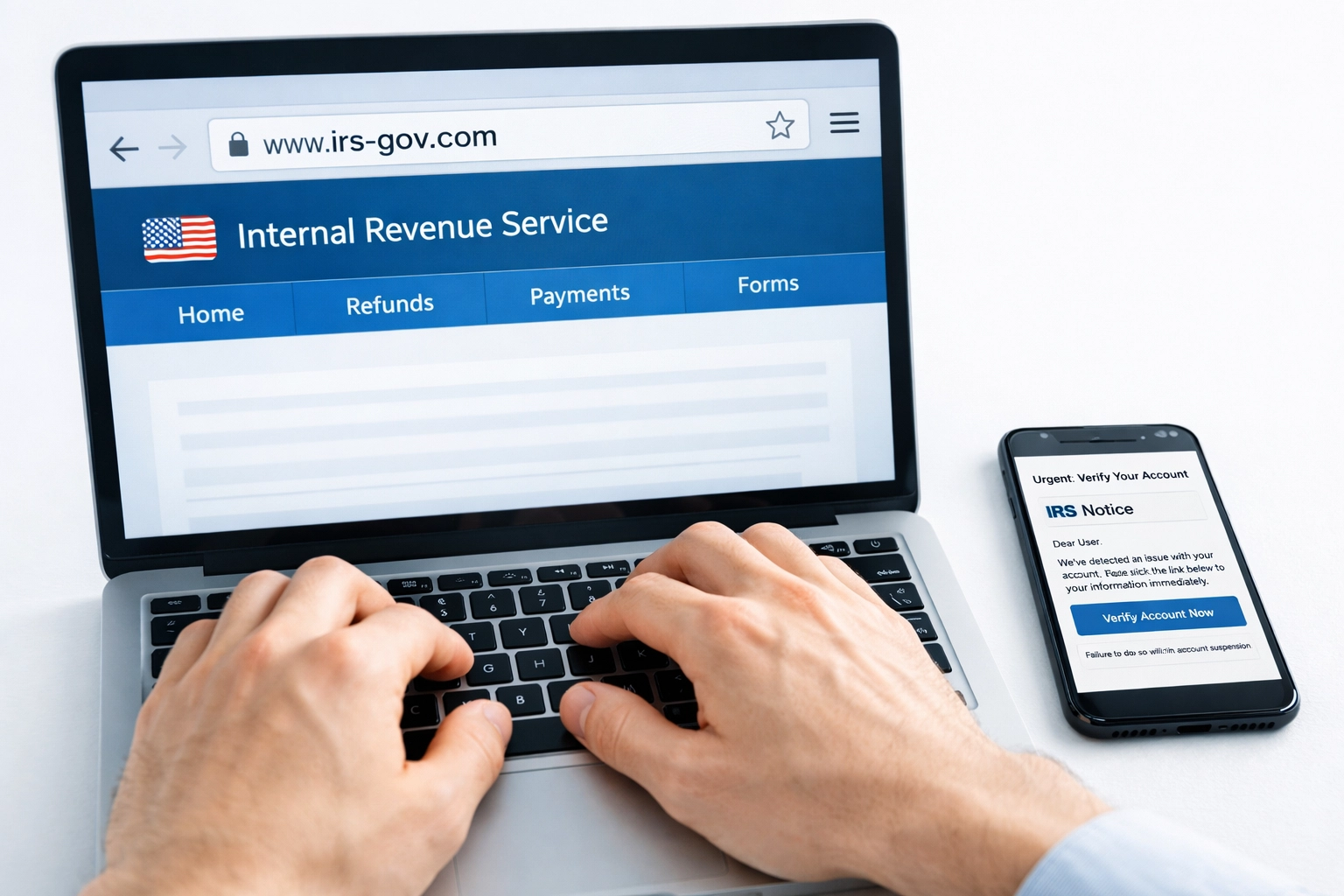
This one's tricky. Scammers create fake websites that look nearly identical to IRS.gov or other official tax portals. They might even have URLs that seem legitimate at first glance.
Look closely at the web address. Is it exactly right, or is it something like "irs-refundstatus.com" or "irsgovt.net"? Those subtle differences matter. Legitimate government sites end in .gov, not .com or .net.
What to do: Type official URLs directly into your browser instead of clicking links in emails or texts. Bookmark official sites for easy access during tax season.
Red Flag #5: You're Being Offered an Unexpected Refund
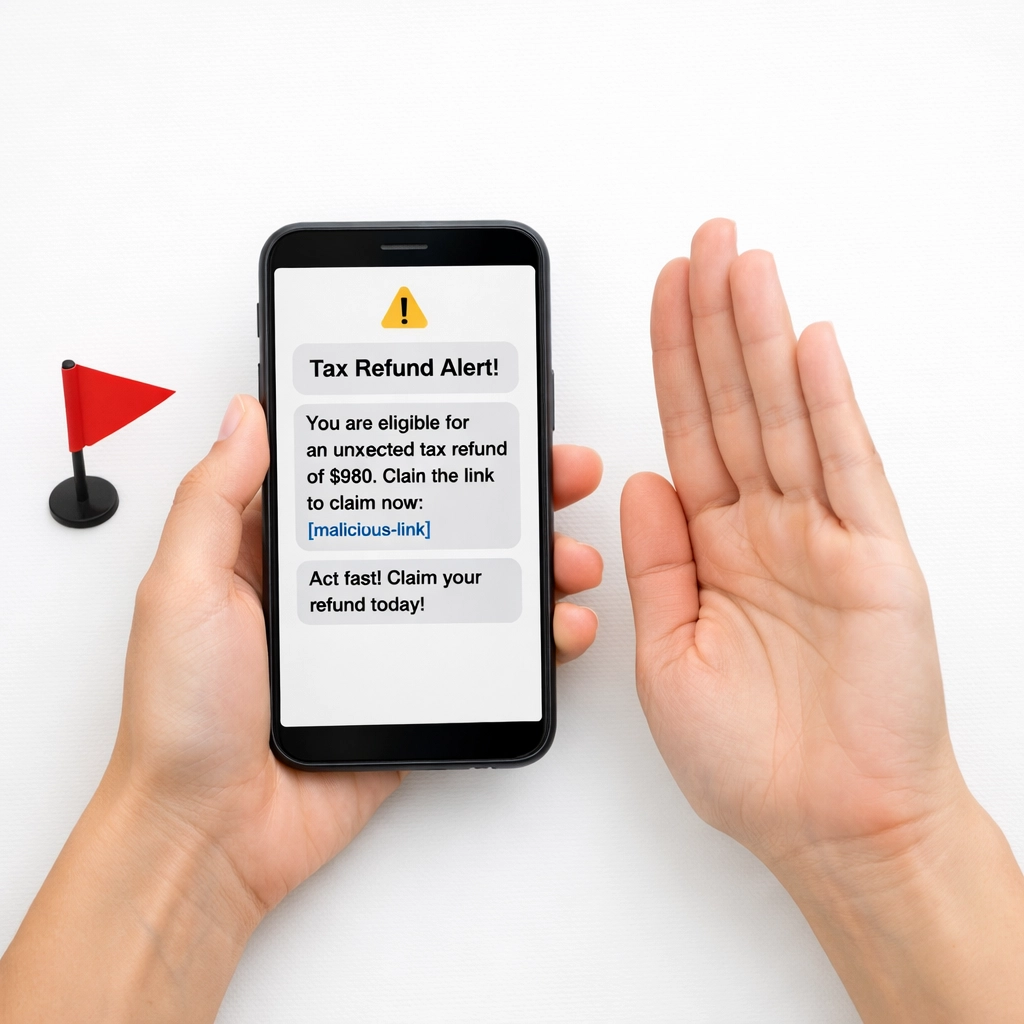
Who doesn't love a tax refund? But if you receive an unsolicited email or call about a refund you didn't file for—especially if it seems larger than expected—be suspicious.
Scammers use the promise of "free money" to get you to provide personal information or click malicious links. They're counting on your excitement to override your caution.
What to do: Check your refund status only through official channels. You can verify legitimate refund information by logging into your IRS account or calling the official IRS helpline.
Red Flag #6: The Communication Has Errors or Looks Unprofessional
While many 2026 scams are sophisticated, some still slip up with spelling errors, grammatical mistakes, or low-quality logos that don't quite match the official versions.
Pay attention to the details. Does the email have your correct name? Is the formatting professional? Do the logos and signatures look authentic?
What to do: Compare suspicious communications side-by-side with legitimate correspondence you've received from the IRS in the past. When in doubt, verify through official channels before taking action.
Red Flag #7: They Want Payment Through Unusual Methods
Here's a big one: The IRS will never demand payment via gift cards, cryptocurrency, wire transfers to foreign accounts, or cash apps like Venmo or Cash App.
If someone insists on immediate payment through these untraceable methods, you're 100% dealing with a scammer. Legitimate tax payments go through official IRS payment channels with proper documentation.
What to do: If you owe taxes, make payments only through official IRS payment methods found on their website. Keep all receipts and confirmations.

How to Protect Yourself in Just a Few Easy Steps
Now that you know what to watch for, here's your action plan:
Verify before you trust. Always double-check by contacting the IRS directly using official contact information. Don't use numbers or links provided in suspicious messages.
Work with certified professionals. Choose a tax preparer who will sign your return and has a valid Preparer Tax Identification Number (PTIN). At Sofytax, we're committed to protecting your information and preparing your taxes with integrity.
Stay skeptical of unexpected contact. The IRS typically initiates contact through official mail, not surprise phone calls or texts.
Report suspicious activity immediately. Help protect others by reporting scams to TIGTA, the Federal Trade Commission (FTC), and your state attorney general's office.
Keep your information secure. Use strong passwords, enable two-factor authentication on tax accounts, and never share sensitive information unless you initiated the contact through verified channels.
Versión en Español
La temporada de impuestos está aquí, y los estafadores también. Conoces los más obvios: esos correos mal escritos del "Príncipe IRS" prometiendo millones. ¿Pero qué pasa con las estafas sofisticadas que se ven casi idénticas a las comunicaciones legítimas del IRS?
La realidad es esta: los estafadores fiscales en 2026 son cada vez más inteligentes, y algunas de sus tácticas son tan convincentes que hasta los contribuyentes cuidadosos están cayendo en ellas. ¿Estás seguro de que identificarías cada señal de alerta?
Revisemos las siete señales de advertencia que podrías estar pasando por alto ahora mismo—y lo más importante, cómo protegerte a ti y a tu dinero ganado con esfuerzo.
Señal #1: Te presionan para actuar "ahora mismo"
¿Recibiste una llamada, mensaje de texto o correo exigiendo acción inmediata sobre tu situación fiscal? Ese tono urgente es una táctica clásica de estafa.
Esto es lo que pasa: los estafadores crean urgencia artificial para eludir tu buen juicio. Quieren que entres en pánico y actúes antes de tener tiempo de verificar la información. Las agencias fiscales reales no operan así. El IRS envía avisos escritos por correo regular primero, y te dan tiempo suficiente para responder.
Qué hacer: Respira hondo. Si realmente es urgente, el IRS enviará documentación oficial. Nunca tomes decisiones financieras basándote solo en llamadas o textos no solicitados.
Señal #2: Te piden información personal por teléfono o correo
¿Recibiste un mensaje pidiendo tu número de Seguro Social, detalles de cuenta bancaria o credenciales de acceso? Esa es tu señal para colgar o eliminar inmediatamente.
El IRS y las agencias fiscales legítimas nunca—y digo nunca—solicitan información personal sensible a través de correo electrónico, mensajes de texto o llamadas no solicitadas. Ellos ya tienen tu información en archivo si has presentado impuestos antes.
Qué hacer: No compartas nada. Si te preocupa que el contacto pueda ser legítimo, cuelga y llama al IRS directamente usando el número de su sitio web oficial (irs.gov). No uses ningún número proporcionado en el mensaje sospechoso.
Señal #3: Amenazan con arresto o cargos criminales
"Paga ahora o la policía te arrestará en una hora." ¿Te suena familiar? Esta táctica de intimidación es fraude puro.
El IRS no amenaza con arresto inmediato por impuestos no pagados. Hay un largo proceso legal que involucra múltiples avisos escritos antes de que ocurra cualquier acción legal. Si alguien está usando miedo e intimidación para exigir pago, estás tratando con un estafador.
Qué hacer: Termina la conversación inmediatamente. Reporta la amenaza al Inspector General del Tesoro para la Administración Tributaria (TIGTA) y a tus autoridades locales.
Señal #4: El sitio web parece oficial... pero algo no encaja
Esta es complicada. Los estafadores crean sitios web falsos que se ven casi idénticos a IRS.gov u otros portales fiscales oficiales. Incluso pueden tener URLs que parecen legítimos a primera vista.
Mira de cerca la dirección web. ¿Es exactamente correcta, o es algo como "irs-estadoreembolso.com" o "irsgobierno.net"? Esas diferencias sutiles importan. Los sitios gubernamentales legítimos terminan en .gov, no en .com o .net.
Qué hacer: Escribe las URLs oficiales directamente en tu navegador en lugar de hacer clic en enlaces de correos o textos. Guarda los sitios oficiales en favoritos para acceso fácil durante la temporada de impuestos.
Señal #5: Te ofrecen un reembolso inesperado
¿A quién no le gusta un reembolso de impuestos? Pero si recibes un correo o llamada no solicitada sobre un reembolso que no solicitaste—especialmente si parece más grande de lo esperado—desconfía.
Los estafadores usan la promesa de "dinero gratis" para que proporciones información personal o hagas clic en enlaces maliciosos. Cuentan con que tu emoción anule tu precaución.
Qué hacer: Verifica el estado de tu reembolso solo a través de canales oficiales. Puedes verificar información legítima de reembolso iniciando sesión en tu cuenta del IRS o llamando a la línea de ayuda oficial del IRS.
Señal #6: La comunicación tiene errores o parece poco profesional
Aunque muchas estafas de 2026 son sofisticadas, algunas todavía cometen errores con faltas de ortografía, errores gramaticales o logotipos de baja calidad que no coinciden exactamente con las versiones oficiales.
Presta atención a los detalles. ¿El correo tiene tu nombre correcto? ¿Es profesional el formato? ¿Los logotipos y firmas se ven auténticos?
Qué hacer: Compara comunicaciones sospechosas lado a lado con correspondencia legítima que hayas recibido del IRS en el pasado. En caso de duda, verifica a través de canales oficiales antes de tomar acción.
Señal #7: Quieren pago a través de métodos inusuales
Esta es importante: el IRS nunca exigirá pago mediante tarjetas de regalo, criptomonedas, transferencias bancarias a cuentas extranjeras o aplicaciones de efectivo como Venmo o Cash App.
Si alguien insiste en pago inmediato a través de estos métodos no rastreables, estás 100% tratando con un estafador. Los pagos de impuestos legítimos se procesan a través de canales oficiales del IRS con documentación apropiada.
Qué hacer: Si debes impuestos, realiza pagos solo a través de métodos oficiales de pago del IRS que se encuentran en su sitio web. Conserva todos los recibos y confirmaciones.
Cómo protegerte en unos pocos pasos sencillos
Ahora que sabes qué buscar, aquí está tu plan de acción:
Verifica antes de confiar. Siempre confirma contactando al IRS directamente usando información de contacto oficial. No uses números o enlaces proporcionados en mensajes sospechosos.
Trabaja con profesionales certificados. Elige un preparador de impuestos que firmará tu declaración y tiene un Número de Identificación Fiscal de Preparador (PTIN) válido. En Sofytax, estamos comprometidos a proteger tu información y preparar tus impuestos con integridad.
Mantén escepticismo ante contacto inesperado. El IRS típicamente inicia contacto a través de correo oficial, no llamadas telefónicas o textos sorpresa.
Reporta actividad sospechosa inmediatamente. Ayuda a proteger a otros reportando estafas a TIGTA, la Comisión Federal de Comercio (FTC) y la oficina del fiscal general de tu estado.
Mantén tu información segura. Usa contraseñas fuertes, activa la autenticación de dos factores en cuentas fiscales, y nunca compartas información sensible a menos que hayas iniciado el contacto a través de canales verificados.
Need More Help? / ¿Necesitas más ayuda?
Tax season doesn't have to be stressful or scary. At Sofytax, we help protect you from scams while making sure your taxes are prepared accurately and on time.
La temporada de impuestos no tiene que ser estresante o aterradora. En Sofytax, te ayudamos a protegerte de estafas mientras nos aseguramos de que tus impuestos se preparen con precisión y a tiempo.
Ready to file with confidence? / ¿Listo para presentar con confianza?
Schedule your online tax preparation appointment with Sofytax today. Our certified professionals will review your tax situation, answer your questions, and ensure your return is filed correctly—with zero risk of falling for scams.
Programa tu cita de preparación de impuestos en línea con Sofytax hoy. Nuestros profesionales certificados revisarán tu situación fiscal, responderán tus preguntas y asegurarán que tu declaración se presente correctamente—con cero riesgo de caer en estafas.
Don't let scammers steal your refund or your peace of mind. Let Sofytax handle your taxes the right way.
No dejes que los estafadores roben tu reembolso o tu tranquilidad. Deja que Sofytax maneje tus impuestos de la manera correcta.


Comments