7 errores que cometes con las nuevas leyes fiscales 2026 (y cómo solucionarlos) / 7 Mistakes You're Making with the New 2026 Tax Laws (and How to Fix Them)
- Sofy tax

- Jan 22
- 5 min read
Are you feeling overwhelmed by all the tax law changes coming in 2026? You're definitely not alone.
Every year, tax regulations evolve. But 2026 is bringing some significant shifts that could impact your refund, your deductions, and even how you report your income. The problem? Most taxpayers don't realize they're making costly mistakes until it's too late.
Sound familiar? Let's fix that together.
In this guide, we'll walk you through the 7 most common mistakes people are making with the new 2026 tax laws: and show you exactly how to avoid them in just a few easy steps.
Mistake #1: Misunderstanding the New Electronic Payment Reporting Rules
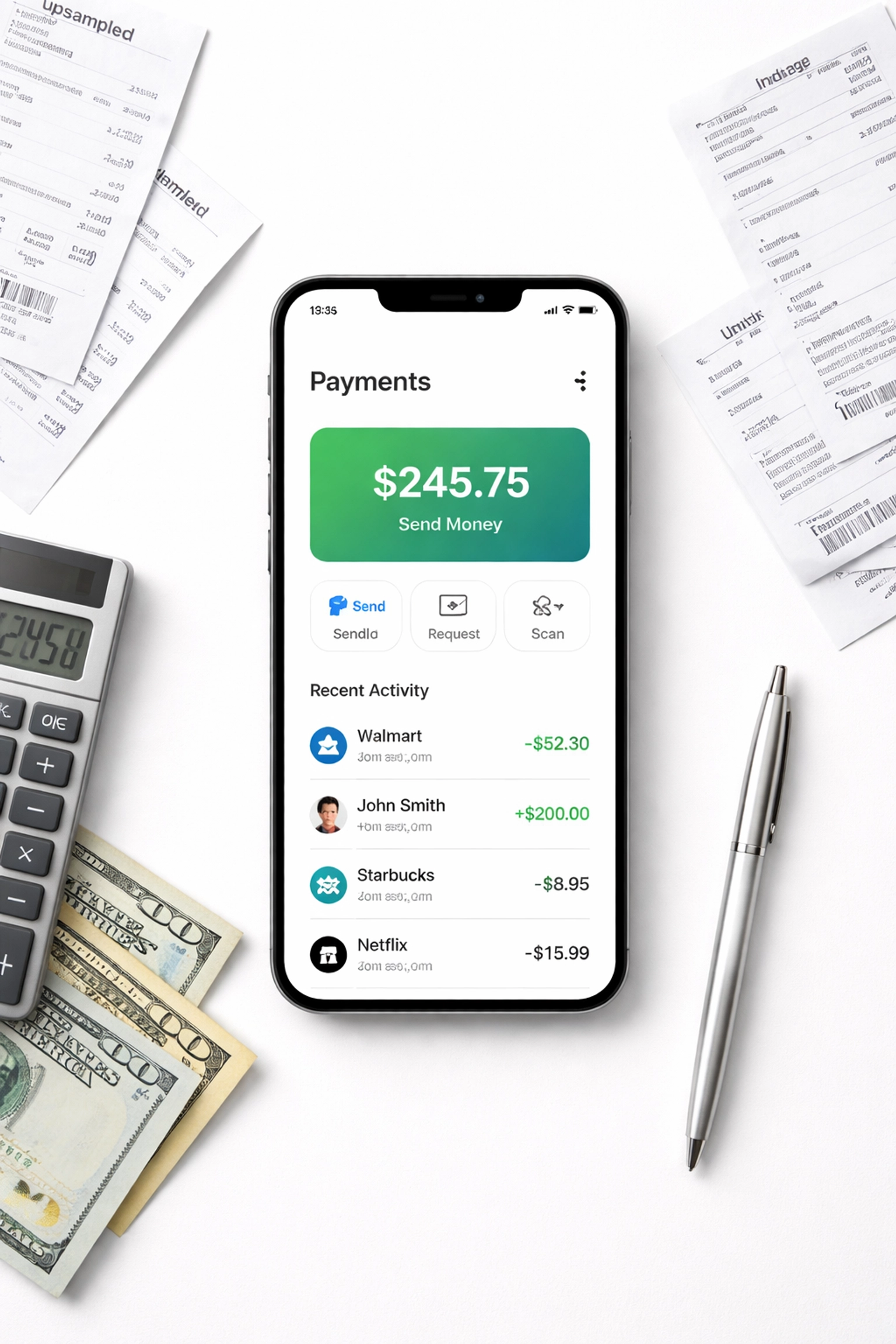
One of the biggest sources of confusion in 2026 involves the new electronic payment reporting regulations. Financial institutions now have expanded requirements to report monthly payment information to tax authorities.
The mistake: Many taxpayers believe that ALL digital payments: including personal transfers through apps like Venmo, Zelle, or PayPal: must be reported and will be taxed.
The fix: Take a deep breath. Only payments received by business owners and self-employed professionals for goods and services are reportable. Personal transfers between friends and family (like splitting a dinner bill or sending a birthday gift) are NOT included.
Here's what you need to do:
Review your payment app transaction history
Separate business transactions from personal ones
Keep clear records of any business-related payments you receive
Understand the reporting thresholds that apply to your situation
Don't let misinformation cause unnecessary panic. Know the rules, and you'll be just fine.
Mistake #2: Mixing Personal and Professional Financial Accounts
This might seem like a small thing, but it's one of the most common: and costly: errors we see at Sofytax.
The mistake: Using the same bank account, credit card, or even phone number for both personal and business transactions.
The fix: Maintain strict separation between your personal and professional financial tools. This isn't just good practice: it's essential protection against misclassification errors and potential audits.
Take these steps today:
Open a dedicated business checking account
Get a separate credit card for business expenses only
Consider a dedicated phone number for business communications
Use accounting software to track business transactions automatically
This separation makes tax preparation smoother, reduces errors, and gives you clear documentation if the IRS ever has questions.
Mistake #3: Ignoring New Income Tax Deductions and Obligations
Tax laws change every year, but many taxpayers file their returns using outdated information. In 2026, there are new deductions available: and new obligations you need to meet.
The mistake: Filing your taxes the same way you did last year without checking for updates.
The fix: Conduct a thorough review of deductible expenses under the 2026 tax code. Better yet, work with a tax professional who stays current on all the changes.
Key areas to review:
Home office deduction updates
Education and training expense changes
Healthcare-related deductions
Energy efficiency credits and incentives
Charitable contribution limits
Missing out on new deductions means leaving money on the table. And failing to meet new obligations could mean penalties.

Mistake #4: Not Preparing for New Digital Invoicing Requirements
Digital transformation is hitting the tax world hard. New electronic invoicing systems are being implemented, and the deadlines are approaching faster than you think.
The mistake: Waiting until the last minute to adapt your invoicing system to new requirements.
The fix: Start preparing now. Mark these important deadlines on your calendar:
January 1, 2027: Compliance deadline for Corporate Income Tax filers
July 1, 2027: Compliance deadline for other taxpayers
Even though these deadlines are in 2027, the technical preparations need to begin in 2026. This includes:
Reviewing your current invoicing software
Understanding the new format requirements
Training your team on the new procedures
Testing your system before the deadline hits
Procrastination here could lead to serious compliance issues down the road.
Mistake #5: Overlooking Changes in Deduction Limits
Deduction limits aren't static. They change based on inflation adjustments, new legislation, and IRS updates. For 2026, several key limits have been modified.
The mistake: Assuming last year's deduction limits still apply.
The fix: Update your understanding of current limits before you file. Here are some areas where changes commonly occur:
Standard deduction amounts
Retirement contribution limits (401k, IRA)
Health Savings Account (HSA) contribution caps
State and local tax (SALT) deduction limits
Business expense deduction thresholds
Pro tip: Create a simple checklist of the deductions you typically claim, then verify the 2026 limits for each one. This small step can prevent big mistakes.
Mistake #6: Missing Quarterly Estimated Tax Deadlines
If you're self-employed, a freelancer, or have significant income that isn't subject to withholding, estimated taxes are part of your life. And missing those deadlines can be expensive.
The mistake: Forgetting to make quarterly estimated tax payments or underestimating the amount owed.
The fix: Set up a system that makes quarterly payments automatic and accurate.
Here's how:
Calculate your expected annual income
Estimate your total tax liability for the year
Divide by four to determine quarterly payments
Set calendar reminders for payment deadlines:
Consider setting up automatic payments through the IRS Direct Pay system
Underpayment penalties add up quickly. Stay ahead of the game by planning your payments in advance.
Mistake #7: Trying to Navigate Everything Alone
Here's the truth: tax laws are complicated. They change constantly. And trying to keep up with everything while running your life or business is exhausting.
The mistake: Thinking you have to figure it all out by yourself.
The fix: Work with a trusted tax professional who understands the 2026 changes and can help you maximize your refund while staying fully compliant.
At Sofytax, we specialize in helping individuals and small business owners navigate complex tax situations. We stay current on all the latest changes so you don't have to.
Benefits of working with a tax professional:
Avoid costly mistakes and penalties
Maximize your deductions and credits
Get answers to your specific questions
Save time and reduce stress
Have peace of mind knowing your return is accurate

Don't Let These Mistakes Cost You Money
The new 2026 tax laws don't have to be scary. With the right information and the right support, you can file confidently and keep more money in your pocket.
Let's recap the 7 mistakes to avoid:
Misunderstanding electronic payment reporting rules
Mixing personal and professional accounts
Ignoring new deductions and obligations
Not preparing for digital invoicing requirements
Overlooking changes in deduction limits
Missing quarterly estimated tax deadlines
Trying to do everything alone
Ready to Get Your Taxes Done Right?
Schedule your online tax preparation with Sofytax today! From the comfort of your home, our experienced team will guide you through the entire process, ensure you're taking advantage of every deduction you qualify for, and help you avoid the mistakes that cost other taxpayers hundreds: or even thousands: of dollars.
👉 Contact us now to schedule your appointment and experience stress-free tax preparation with professionals who truly care about your financial success.
Need more help? Visit our Tax Preparation Services page to learn more about how Sofytax can support you this tax season and beyond.
We're here for you. Let's make 2026 your best tax year yet!



Comments